ILS Critical Area
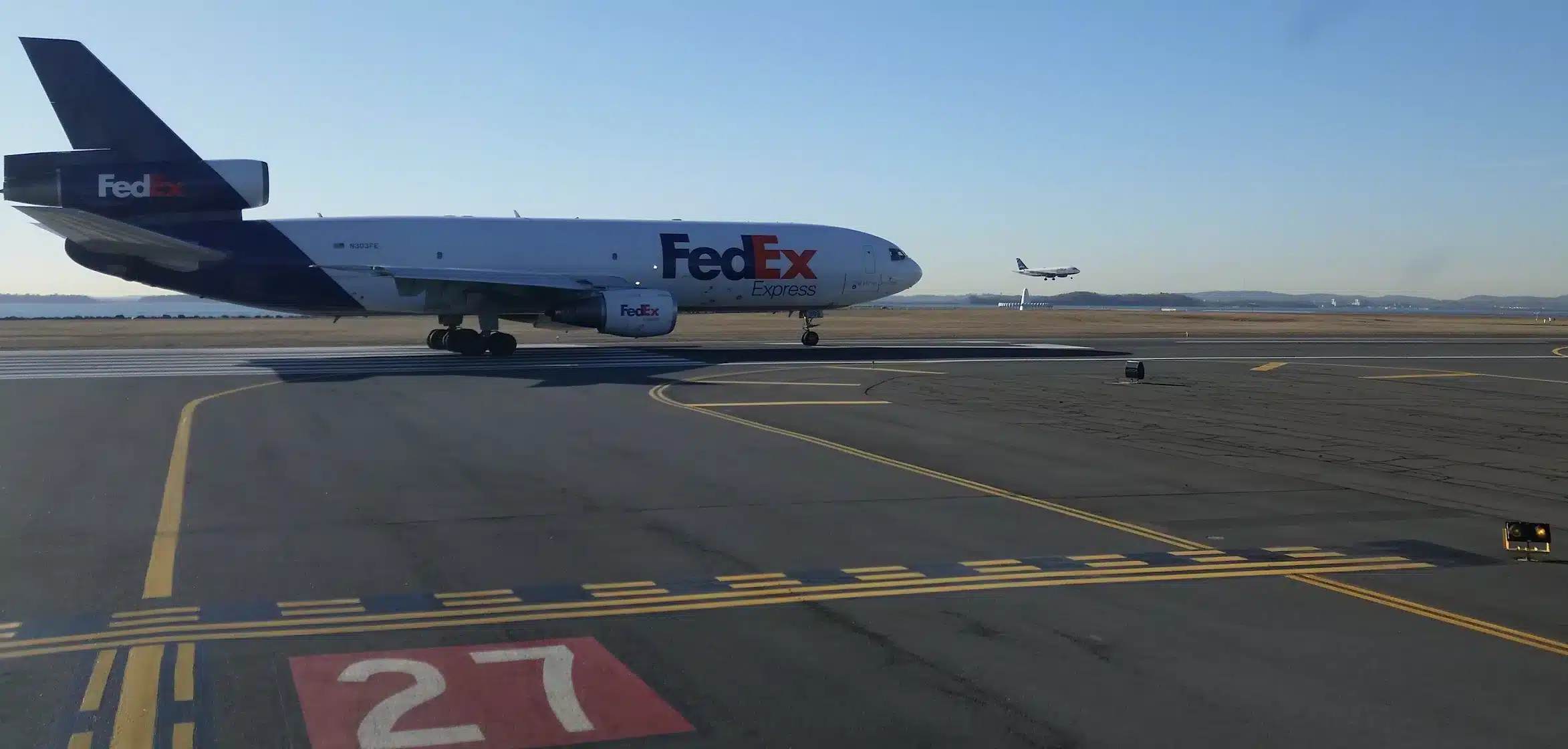
Taxiing around an airport can be a very daunting task, especially at night in a small aircraft. When maneuvering around an airport, it is important to be aware of all taxiway markings that exist and have good situational awareness of your surroundings. Failure to adhere to taxi instructions can place an aircraft in an undesired spot, like an ILS critical area, which may interfere with airport operations. This information is taught to our pilots enrolled in our fully online commercial pilot ground school course.
ILS Critical Area Definition
In TP-1490, Transport Canada defines critical areas as those where the presence of a vehicle or taxiing aircraft may possibly affect ILS signals. Depicted areas are theoretical and usually vary with individual sites. Actual critical areas can be defined only by experimentation and experience. When a suspected area may likely be a source of interference, that portion must be included as a part of the critical area. Additional hold short signs will be placed on taxiways and must be observed by aircraft and vehicles when instructed to by air traffic control.
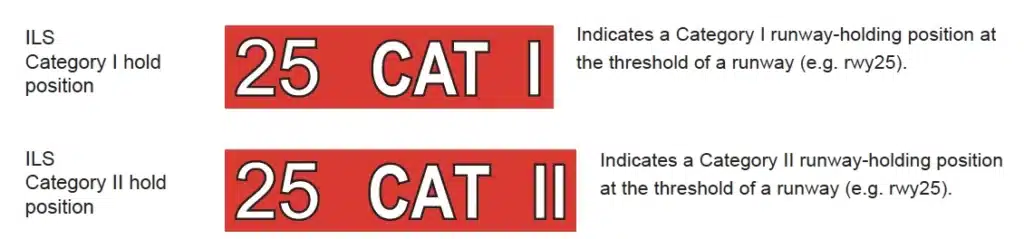
Protection of the ILS Critical Area
Air traffic services will protect the ILS critical area and glidepath signal when:
- The ceiling is less than 1,000 feet or visibility is less than 3 miles, or both; and
- The arriving aircraft is inside the FAF on an ILS approach
This is because when an aircraft is navigating on the ILS, fluctuations may occur when other aircraft or vehicles are moving through this critical area, causing interference with the signal. In some cases, the aircraft automation may follow momentary fluctuations, causing the aircraft to pitch or roll.

Pilots Response
Pilots must be aware of ILS signal interference threats as well as flight display indications and autopilot functionality during manual or fully coupled ILS approaches.
There are times when pilots may be required to conduct autolands or practice low-visibility procedures. In these cases, the pilot must advise the controller of these intentions early enough so that the controller can either protect the critical area or advise the pilot that protection is not possible.
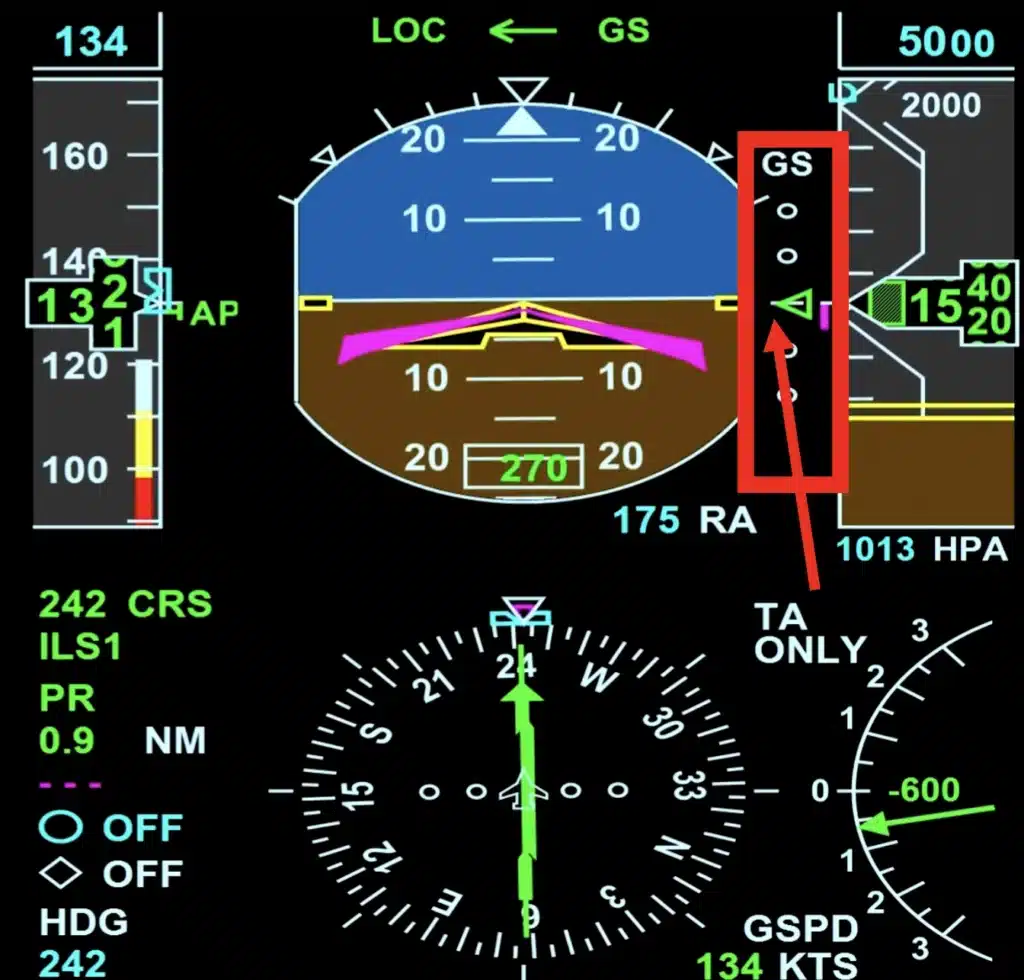
Importance of the ILS Critical Area
Protecting the ILS critical area is mainly important during low visibility operations where there may be heavy fog or any other type of low visibility impacting the ability of aircraft to safely take-off and land. During normal routine operations where the visibility is good, cloud heights are good, and aircraft can comfortably see the landing runway, protecting the ILS critical area is not nearly as important. Again, unless the arriving aircraft is practicing an autoland or a low visibility procedure.
Examples
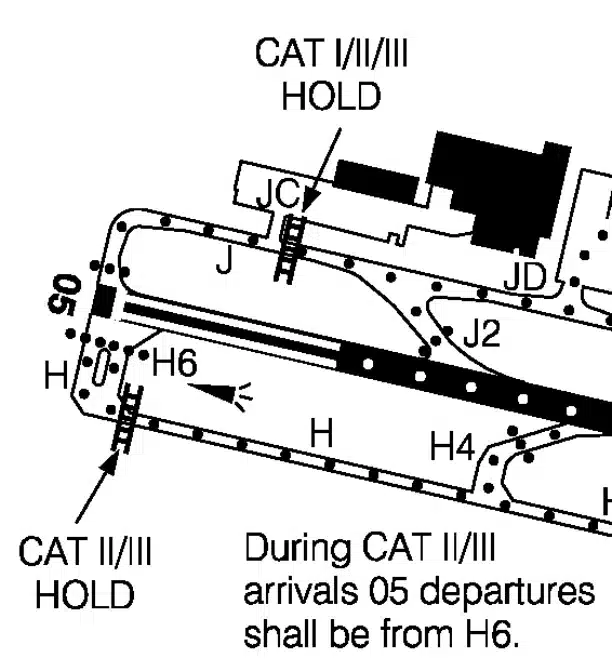
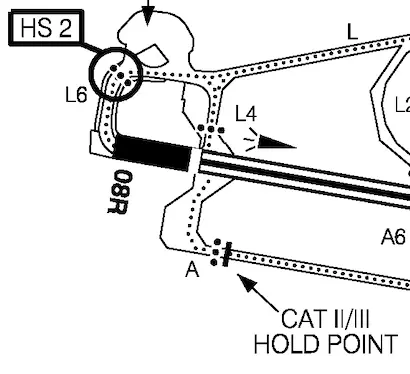
Information and images were adapted from the Transport Canada Aeronautical Information Manual. Some information may be copyrighted. © His Majesty the King in Right of Canada, as represented by the Minister of Transport, (2023). This information has been reproduced with the permission of Transport Canada.
-

Why Airlines May Suspend Cuba Flights During a Fuel Disruption
When jet fuel becomes unavailable across an entire country, the first question people ask is: “Why can’t the airline just bring more fuel with them?” In aviation, this strategy is called tankering – uplifting extra fuel at the initial departure airport so that the aircraft can arrive and still have enough fuel to safely depart...
-

Pilot Bag
What is a pilot bag? A pilot bag is also known as a flight bag. It is a bag used by pilots at all stages in their flying to store the necessary pilot supplies used for their flights. Pilot bags come in a lot of different varieties while almost anything can be used as a...
-

New Transport Canada Readback Rules: What Every Canadian Pilot Needs to Know
On November 20, 2025, Transport Canada published Advisory Circular (AC) 602-008 – Pilot Readback Requirements. It explains new rules that will soon affect every pilot operating in Canadian Domestic Airspace, from student pilots in the circuit to airline crews on the line. These changes haven’t “gone live” in the regulations yet, but they will become...