Pilot Licence Conversion: FAA to Transport Canada Made Easy
Converting an FAA Pilot Licence to Transport Canada
If you’re a pilot who trained in the United States and are now looking north to Canada, you’ve probably wondered how to make your licence valid here. Whether it’s because you’re moving, you’ve married a Canadian, or you just want to expand your flying opportunities, converting an FAA certificate into a Transport Canada licence is a natural step.
At first, the process can feel intimidating. The good news? Canada and the U.S. have a long-standing agreement that makes conversion much more straightforward than starting over from scratch.
Why This Agreement Exists
Back in 2000, the U.S. and Canada signed what’s called a Bilateral Aviation Safety Agreement (BASA). Buried inside is a section called the Implementation Procedures for Licensing (IPL). That agreement allows pilots from either country to bring over their licence, provided certain requirements are metac-401-001-2.
The best part? You don’t give up your FAA certificate. You’ll keep it, and you’ll add Canadian privileges on top.
Who Can Convert
Not every FAA certificate is eligible, but the most common ones are:
- Private Pilot (PPL)
- Commercial Pilot (CPL)
- Airline Transport Pilot (ATPL)
You can also convert certain ratings:
- Instrument Rating
- Aircraft Class Ratings (single-engine, multi-engine, land/sea)
- Night Rating
- Type Ratings (as long as the aircraft is certified in Canada) (ex. since no air carrier in Canada flies an A380, you can’t get this type rating on your Canadian license)
If your FAA licence was originally issued on the basis of another foreign licence (say, you converted from Europe into the FAA), you won’t qualify under this agreement.
The Requirements to Convert to a Canadian Pilot License
Here’s the quick breakdown of what Transport Canada expects:
Private Pilot
- At least 17 years old
- 45 hours of flight time minimum
- Category 1 or 3 Canadian medical
- Pass the FAAPA written exam (air law + communications)
- No flight test requiredac-401-001-2
Commercial Pilot
- At least 18 years old
- 200 hours of flight time minimum
- Category 1 medical
- Pass the FAACA exam
- No flight test requiredac-401-001-2
Airline Transport Pilot
- At least 21 years old
- 900 hours of aeroplane flight time
- Category 1 medical
- Pass the FAAAA exam
- Proof of FAA Instrument Proficiency Check within 24 monthsac-401-001-2
For most ratings, the process is easier: provide proof of your privileges, hold a Canadian medical, and (for Instrument) pass the FAAIA exam.
Step-by-Step: How Conversion Works
- Get a Canadian Medical – You can’t start the process without it. Depending on the examiner, it can take 30–90 days to get your certificate. There are some medical examiners in the USA who are authorized to do this medical. Find one near you.
- Write the Required Exam(s) – Transport Canada exams are written in person, in Canada. They focus on Canadian law and radiotelephony procedures.
- Submit the Application – You’ll fill out Form 26-0702 (conversion) and Form 26-0726 (for your Aviation Document Booklet).
- Verification – Transport Canada checks directly with the FAA to confirm your certificate is valid.
- Receive Your Licence – Once cleared, you’ll get your Aviation Document Booklet in the mail.
An Important Note: The Right to Work in Canada
One of the most common misunderstandings I see from FAA-licensed pilots is this: just because you hold a Canadian licence doesn’t mean you can work here.
Transport Canada oversees licensing, but employment is a completely separate issue governed by immigration law.
- If you’re not a Canadian citizen or permanent resident, you’ll need a valid work permit or visa.
- Airlines and flight schools are required to verify your legal status to work in Canada before hiring.
- The licence conversion makes you eligible to fly under Canadian rules, but it doesn’t automatically give you the legal right to earn income here.
So, if your plan is to move to Canada and work as a pilot, make sure you’re looking into both the aviation side and the immigration side at the same time.
How Canadian Flight Trainers Can Help
Our role in all of this is to make sure the aviation side goes smoothly. The exams you’ll write—whether it’s the FAAPA, FAACA, FAAAA, or FAAIA—are very Canada-specific. That’s where most pilots stumble.
We’ve built an online FAA-to-Canada pilot conversion prep courses that focus on exactly what you need: Canadian air law, communications, and the unique regulations that show up on Transport Canada exams. You can study from anywhere, at your own pace, with the support of Canadian instructors who know the system.
Final Thoughts
Converting your licence is about paperwork, exams, and patience—but it’s not about proving your flying skills all over again. With preparation, most FAA pilots find the process very manageable.
Just remember: a Canadian licence gives you the ability to fly in Canada, but not automatically the right to work here. If employment is your goal, you’ll need to handle both the aviation and immigration sides of the equation.
If you’re ready to make the move—or even just curious about the process—check out our FAA Conversion Course at Canadian Flight Trainers. We’ll make sure you’re fully prepared to pass your exams and transition smoothly into Canadian flying.
Recommended Products We Ship Internationally
-

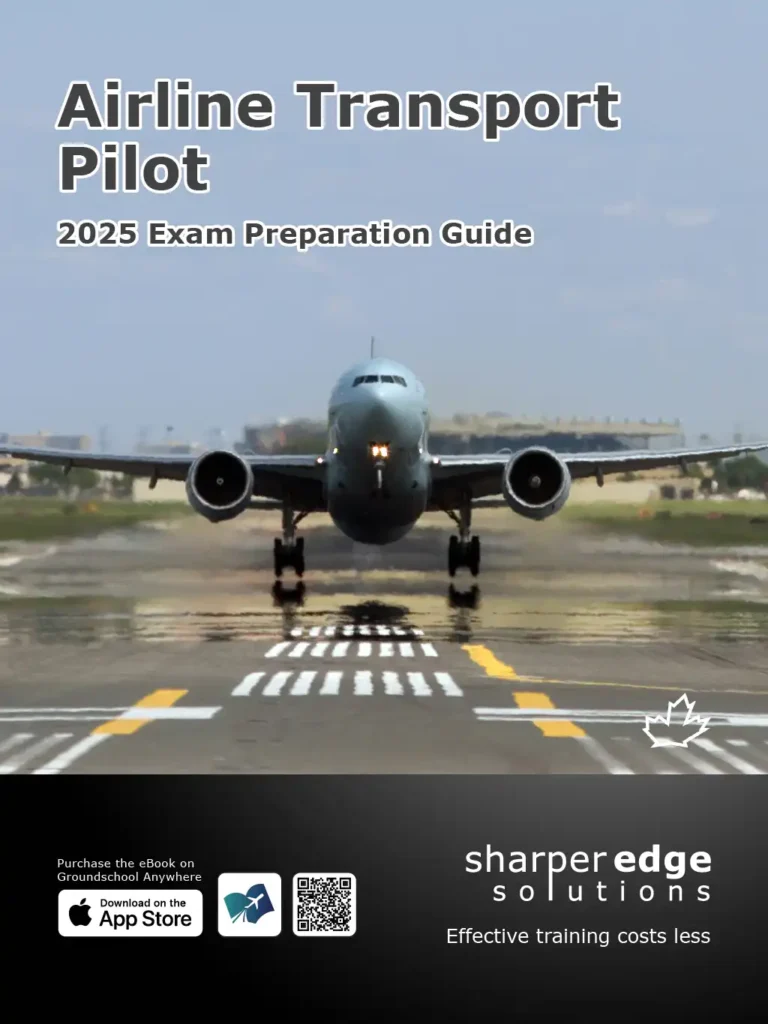
Sharper Edge ATPL Exam Preparation Guide
$88.95 -
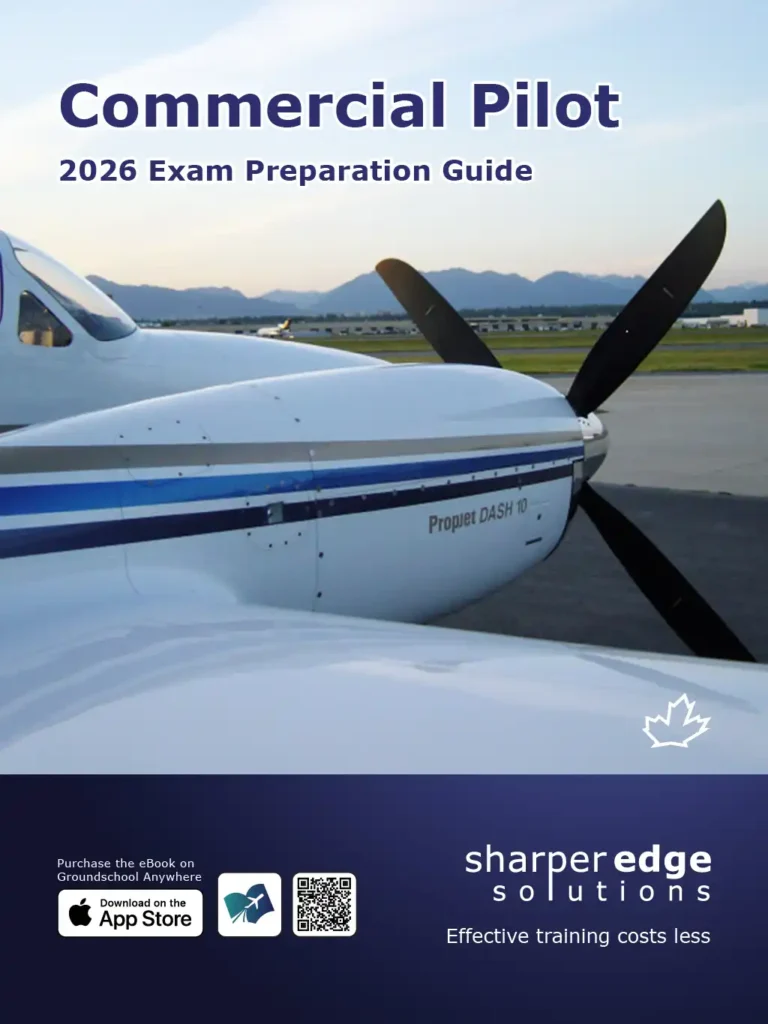
Sharper Edge Commercial Exam Preparation Guide
Price range: $65.00 through $89.95 -
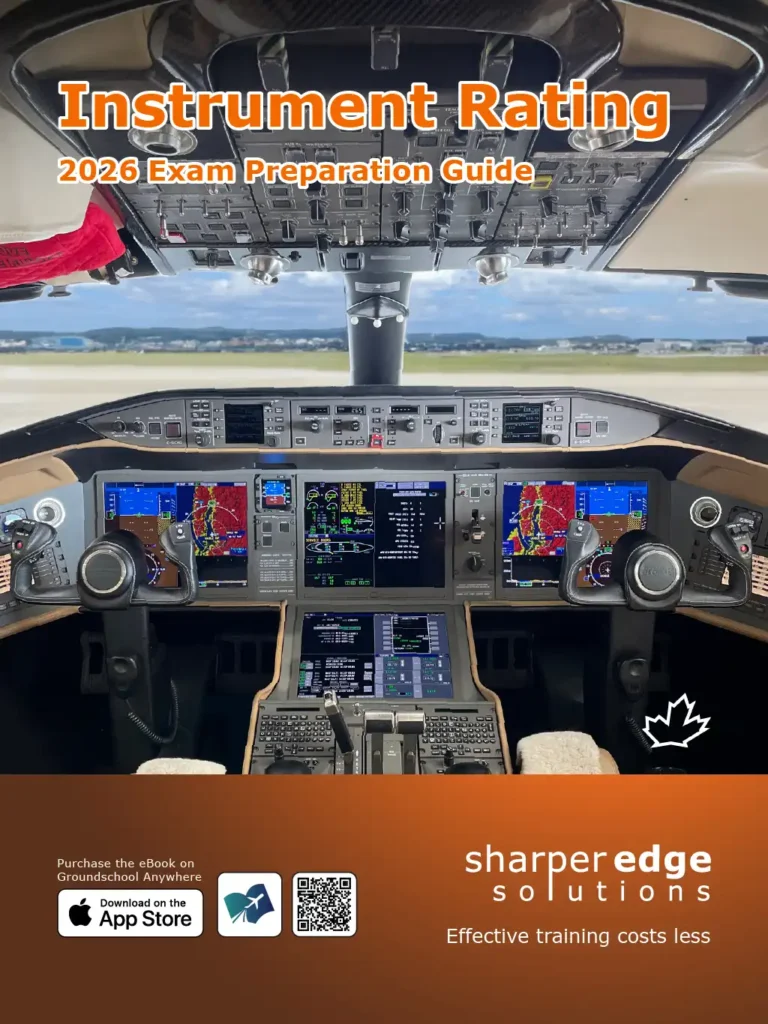
Sharper Edge Instrument Rating Exam Preparation Guide
$88.95 -
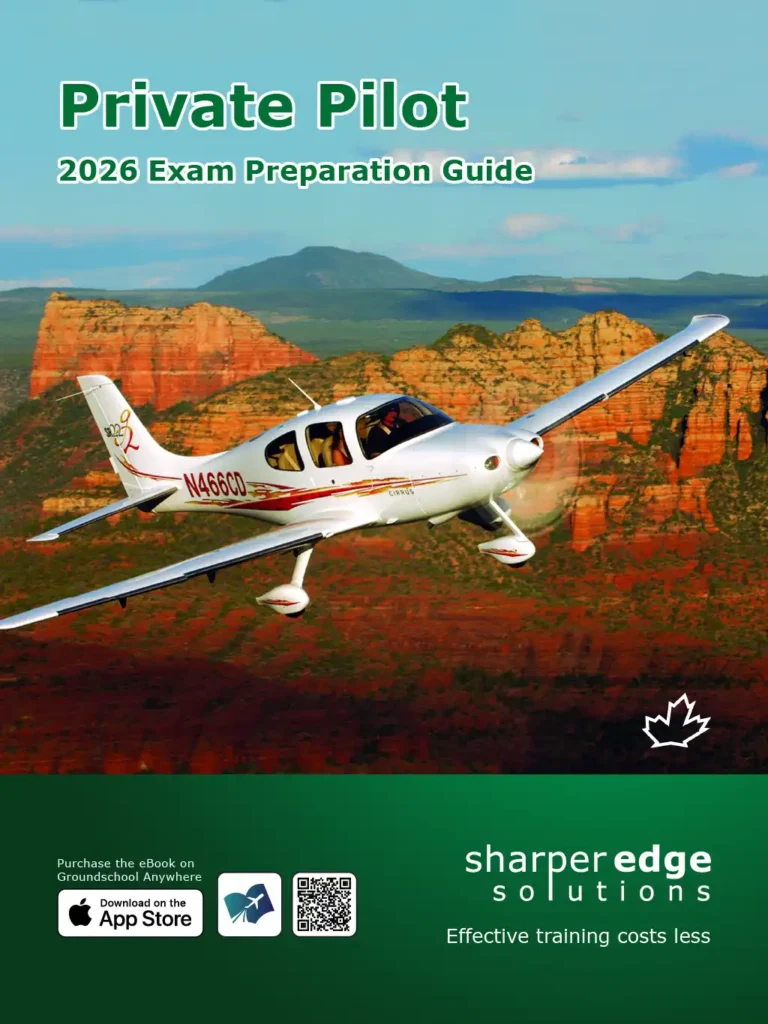
Sharper Edge Private Pilot Exam Prep Guide
$89.45
-
Air Canada Pilot Salary: How Much Air Canada Pilots Make in 2026
Updated September 2026 for the current Air Canada pilot contract. This article was written by a guest columnist who works at Air Canada as a Captain on a narrow body aircraft. He has made extensive contributions to our Commercial Pilot Ground School but always chooses to keep a low profile on the internet. Every number…
-
How to Calculate Cloud Bases
Aviation Weather How to Calculate Cloud Bases: The Formula Every Pilot Should Know Weather and clouds play a big role in aviation, and one of the most useful skills a pilot can learn is how to quickly calculate cloud bases. Here is the formula, where its numbers come from, and the one change Transport Canada…
-
Night Rating Requirements in Canada
The night rating is the most commonly added rating to a Private Pilot License in Canada, and for good reason. During night operations, pilots will not generally encounter rising air currents due to convection heating, making flying at night slightly smoother than daytime flying. Combine this with city lights on a clear night with the…
-
AWWS GFA
AWWS was retired on February 28, 2024. NAV CANADA’s Aviation Weather Web Site no longer exists. Everything it did now lives on CFPS — the live GFA links below are current and working. If you typed “AWWS” into a search engine and landed here, you’re probably looking for NAV CANADA’s Aviation Weather Web Site —…
-
Commercial Pilot Ground School – What Our Students Expect
Commercial Pilot Ground School Research What Students Expect From CPL Ground School: 260 Responses Analyzed Commercial students arrive with a licence, some experience, and much less patience for wasted time. We analyzed what they expect from the course, the instructors, and themselves. View CPL Ground School See the Findings 260written CPL Ground School sign-up responses…
-
Private Pilot Ground School – What Students Expect
Private Pilot Ground School Research What Students Expect From PPL Ground School: 1,000+ Responses Analyzed Before students begin our Private Pilot Ground School, we ask what they hope to achieve and what they expect from us. Their answers are a useful look at what new pilots actually need from ground school. See the Findings View…