Canadian Pilot Training and Licensing Statistics in 2025/2026
Canadian Pilot Training and Licensing Statistics in 2025/2026
Transport Canada presented its newest pilot training and licensing update at an ATAC meeting on June 3, 2026 — final 2025 licensing statistics along with updates on digital applications, Student Pilot Permits, flight test reports, training standards and civil aviation medical processing. Here’s what the numbers actually say.
A note before comparing the numbers: Transport Canada warns that it has changed how these statistics are calculated, so some historical figures may differ from numbers published in previous years. Licence, rating and permit figures represent documents at the time they were issued — they do not tell us how many remain valid today or how many holders are actively flying. The charts do not place an exact data label on every bar, so some figures below are rounded from the graphs.
The overall picture is positive: 2025 shows record or near-record issuance of Private Pilot Licences, Commercial Pilot Licences and Airline Transport Pilot Licences. There is another side to the story, though. Private pilot flight tests, instrument rating flight tests, instructor ratings and every major written examination line fell from their 2024 highs. In other words, 2025 was a strong licensing year — but not every part of the training pipeline accelerated at the same time.
Private, Commercial and Airline Transport Licence Issuance Reached New Highs
The licence chart on page 3 of Transport Canada’s statistical package shows all three major aeroplane licence categories at, or very close to, the top of the 2000–2025 series. Reading the chart, approximately:
- 3,400 Private Pilot Licences were issued.
- Just over 2,000 Commercial Pilot Licences were issued.
- Close to 1,000 Airline Transport Pilot Licences were issued.
The PPL total changed very little from 2024, but it remained at a historically high level. CPL issuance increased by roughly 200 licences, while the ATPL total moved closer to the 1,000 mark.
This is no longer just a recovery from the pandemic years. The 2025 figures are also above pre-pandemic levels and, in the case of the CPL, higher than any other year in the chart.
That does not mean every new commercial pilot will immediately find an airline job. Licence issuance measures the number of people reaching a regulatory milestone — not the number of entry-level jobs available at any given moment. It does, however, show that Canada continues to move a large number of pilots through the professional training system.
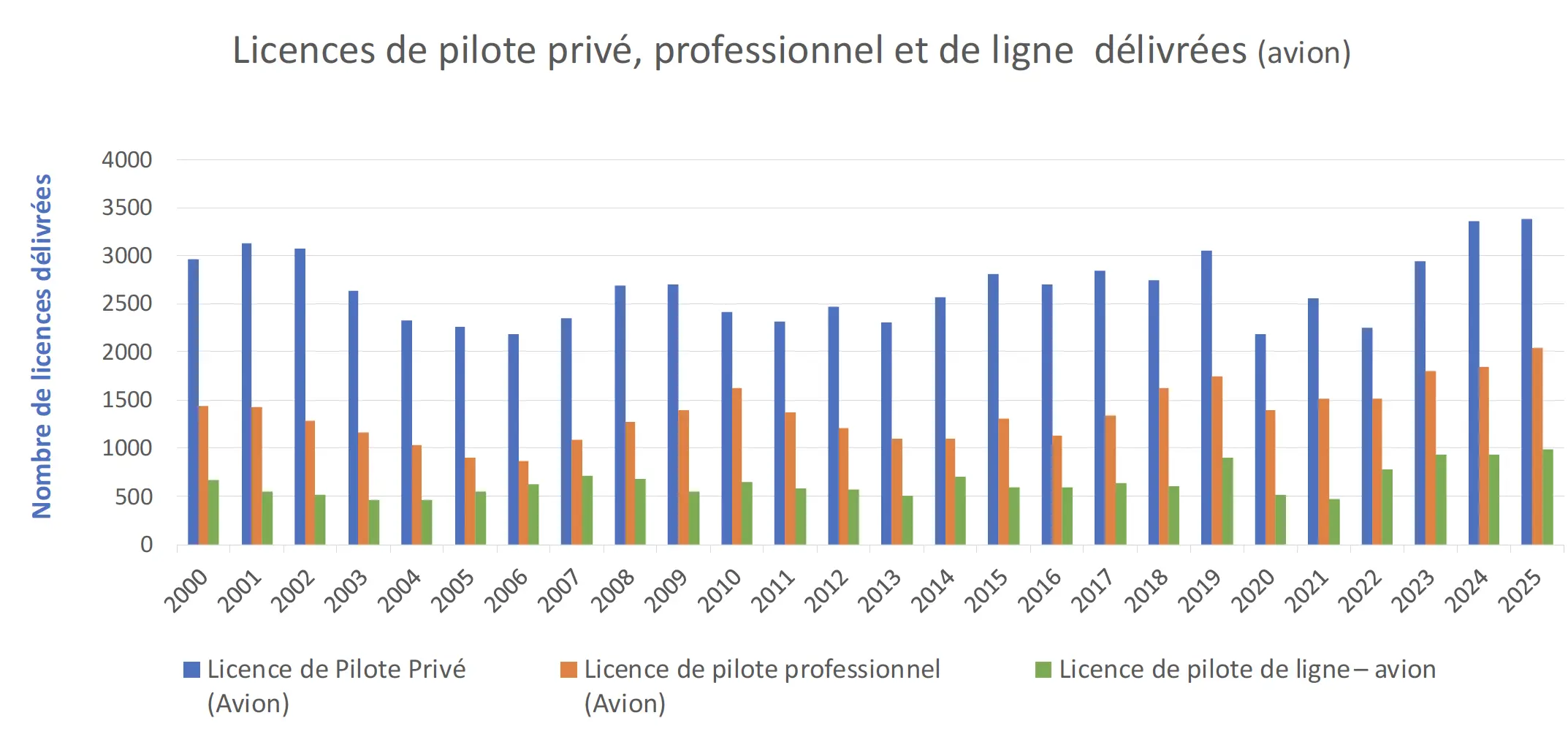
Figure 1: Statistics deck, page 3 — PPL, CPL and ATPL licences issued, 2000–2025.
The Commercial Pilot Pipeline Looks Strong, but One Number Needs Clarification
Transport Canada included a separate chart comparing aeroplane CPL flight tests with Commercial Pilot Licences issued. That chart suggests more than 2,200 commercial flight tests were completed in 2025, compared with just over 2,000 licences issued. If accurate, this would indicate a substantial number of candidates moving toward licence issuance in late 2025 and into 2026.
There is, however, an important data-quality issue. The combined RPP, PPL and CPL flight-test chart on page 9 appears to show only about 1,700 CPL flight tests in 2025. Both charts describe aeroplane commercial pilot flight tests, but their 2025 totals appear to be several hundred tests apart.
Until Transport Canada clarifies whether the two charts use different definitions, the exact 2025 CPL flight-test total should be treated cautiously.
The conclusion that does not depend on the conflicting charts: CPL licence issuance clearly increased and exceeded 2,000 for the first time in the series.
Non-Canadian Pilots Remain a Major Part of Commercial Training
Canadian citizens received approximately 1,330 aeroplane CPLs in 2025, while non-Canadian citizens received roughly 710. That places the non-Canadian share at approximately 35% of all Commercial Pilot Licences issued during the year. Canadian CPL issuance grew more quickly in 2025, but international participation remains a significant part of the Canadian flight-training market.
The citizenship chart on page 8 identifies the United States, France, Great Britain, China and India as the five leading individually reported non-Canadian countries. In 2025, India appears to be the largest named source, followed by China. Pilots from all other countries combined still represent the largest portion of the non-Canadian total.
Citizenship should not be confused with immigration status or workforce retention. The chart does not tell us whether a graduate remains in Canada, returns home or eventually works in another country.
Foreign Licence Validation Certificates are also a separate measure. About 300 of these certificates were issued in 2025, down from approximately 330 in 2024 and far below the totals seen in the early 2000s. A non-Canadian earning a full Canadian CPL is not the same as an already licensed foreign pilot temporarily validating an existing licence. For pilots moving in the other direction, see our guide to pilot licence conversion.
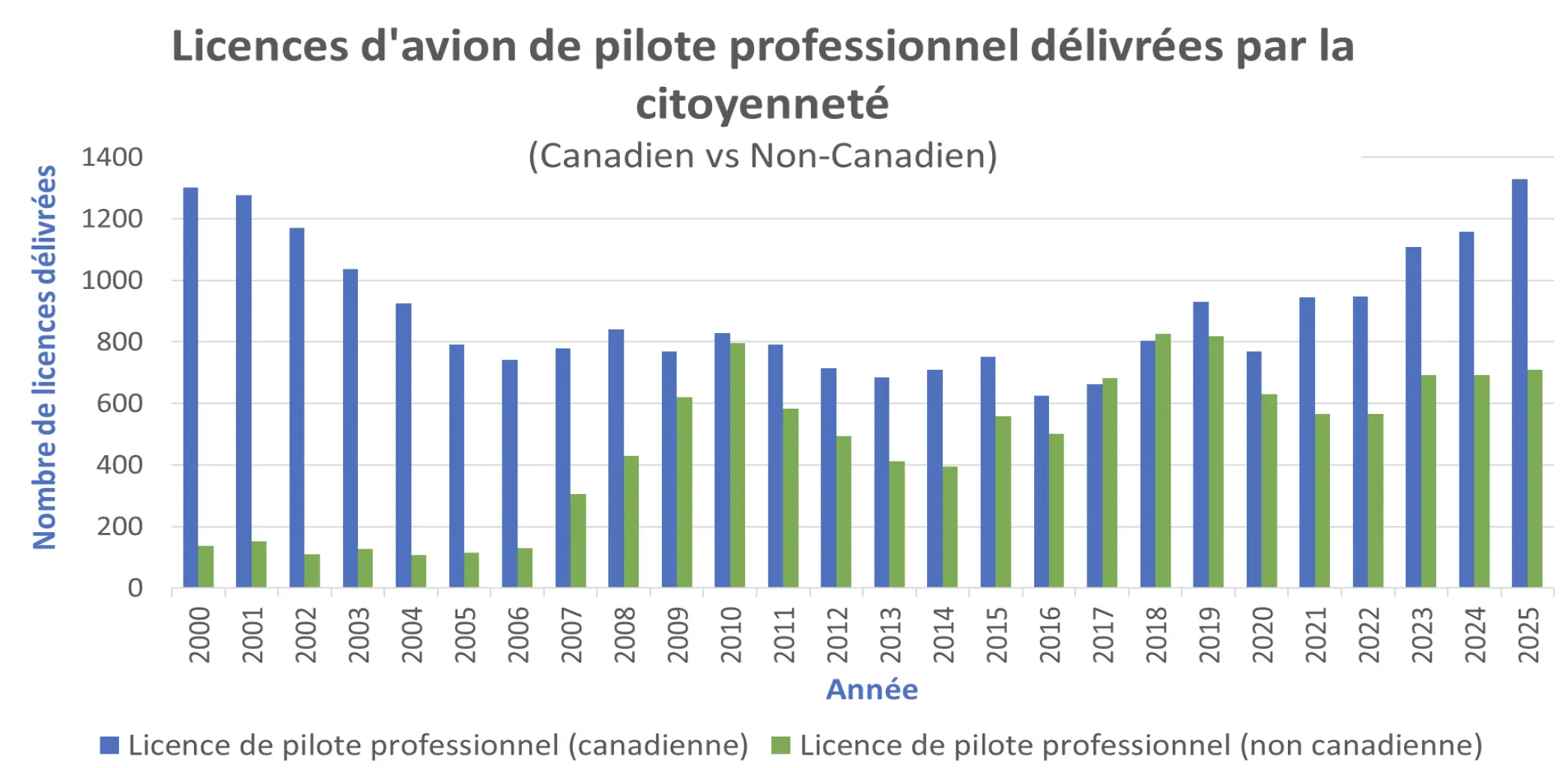
Figure 2: Statistics deck, pages 7–8 — Canadian vs. non-Canadian CPL issuance and leading non-Canadian countries.
Canada Produced More Pilots With Only a Small Increase in Flight Training Units
One of the most operationally important numbers in the presentation may be 159.
Transport Canada recorded 159 Flight Training Units in 2025, up from 154 in each of 2022, 2023 and 2024. It is a small increase, but it breaks three years of flat numbers.
The longer-term comparison is more striking. Canada had 230 FTUs in 2001 — the country is now producing record licence numbers with approximately 31% fewer FTUs than it had at the beginning of the chart.
The national FTU count does not tell us how much capacity actually exists. A large school with dozens of aircraft and instructors counts as one FTU, just like a much smaller operation. The chart does, however, suggest that an increasing amount of training is being delivered through a more concentrated group of organizations.
For students, the practical lesson is that national licence totals do not guarantee local training availability. Before committing to a school, students should still ask about:
- Aircraft availability and serviceability
- Instructor turnover
- Average booking frequency
- Weather and seasonal limitations
- Realistic completion times
- Additional fees beyond the advertised hourly rate
A school can be busy because it is well run. It can also be busy because it does not have enough aircraft or instructors for the number of students enrolled. Those are not the same thing.
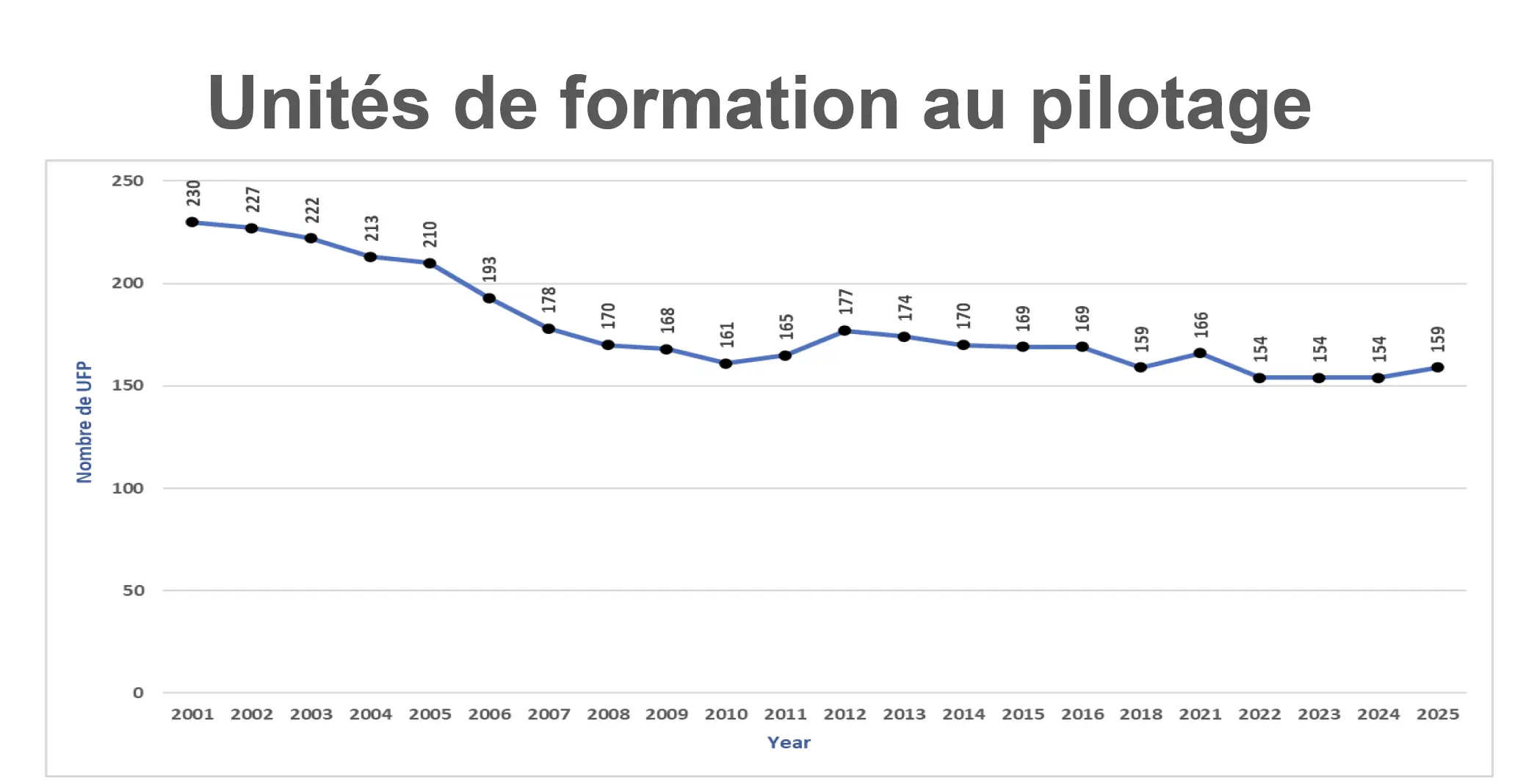
Figure 3: Statistics deck, page 5 — number of Canadian FTUs.
Several Leading Indicators Fell From Their 2024 Peaks
Licence issuance is a lagging indicator. A student normally completes ground school, writes an examination, passes a flight test and submits an application before the licence is issued. That delay helps explain why record licence issuance can occur in the same year that some earlier stages of the training pipeline decline.
Private Pilot Flight Tests
The combined flight-test chart shows PPL flight tests falling from just over 3,000 in 2024 to approximately 2,500 in 2025. This is still a substantial level of activity, but it represents a noticeable year-over-year decline.
Instrument Rating Flight Tests
Group 1 instrument rating flight tests also declined, from approximately 1,750 in 2024 to around 1,500 in 2025. Group 3 flight-test activity continued its long-term decline, while Group 2 remained close to zero. The chart counts instrument flight tests performed, so it should not automatically be interpreted as the number of brand-new instrument ratings issued.
Flight Instructor Ratings
Initial Class 4 instructor ratings fell from close to 580 in 2024 to approximately 450 in 2025. Class 2 and Class 1 upgrade numbers also moved lower. The Class 4 total remains above much of the 2003–2017 period, so this is not a collapse in the instructor pipeline — but it is worth watching. Flight schools can only expand training when they have enough qualified instructors to support the aircraft and students they already have.
Written Examinations
All four written-examination lines declined from their 2024 highs:
Private pilot written examinations
Commercial pilot written examinations
ATPL written examinations
The 2024 examination surge likely helped feed some of the licences issued in 2025. Lower examination volumes in 2025 could mean slower licensing growth ahead, or they could simply represent normalization after an unusually strong year. One year of lower activity is not enough to call it a long-term trend.
Digital Licensing Is Finally Becoming Normal
Transport Canada’s administrative system is moving away from paper, and the adoption numbers are now high enough that digital applications are becoming the normal process rather than the exception. From January through April 2026:
- 73% of initial Aviation Document Booklet applications were digital.
- 86% of renewal applications were digital.
Transport Canada is also working on a feature that will allow multiple booklet submissions through one application — particularly useful for larger FTUs submitting applications for several students at once.
Digital Student Pilot Permits
Digital Student Pilot Permit applications launched through the TC AIR app on May 1, 2026. By May 29, Transport Canada had already approved 214 applications. Authorized Persons can enter student information, photograph the identity document and PSTAR, and submit as many as five students in one batch. The permit is then returned as a PDF for printing, briefing and student signature.
The main issue is not the form itself. Data mismatches between the application and Transport Canada’s existing records prevent automatic approval and send the application to a service team for manual processing. That gives students and schools a very practical lesson: digital does not automatically mean automatic. Names, dates, addresses and other identifying information should match the existing Transport Canada record exactly.
PPL Applications and Flight Test Reports
Transport Canada began planning digital PPL applications in May 2026 and intends to involve industry partners early in development. PPL aeroplane flight test reports went online on April 1, 2026 — by the time of the ATAC update, approximately 450 reports had already been submitted. Transport Canada described the rollout as a success with only minor issues, and work on the CPL aeroplane report was expected to begin next.
For flight schools and examiners, these changes should eventually mean fewer mailed forms, fewer missing pages and better visibility into whether a report has actually been received.
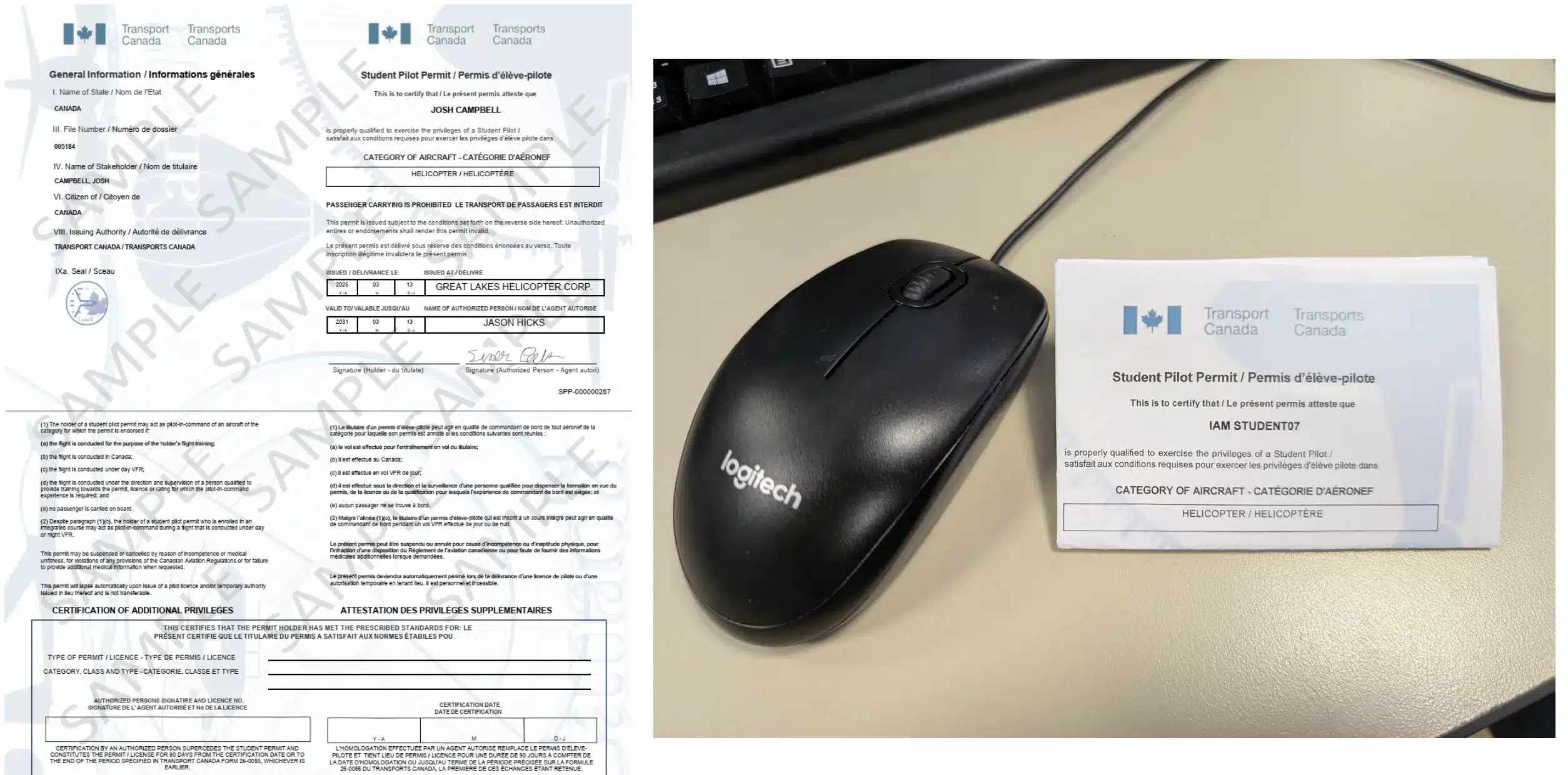
Figure 4: Licensing update, page 2/4 — digital booklet applications and the digital Student Pilot Permit rollout.
The Full Digital Pilot Licence Is Still More Than a Year Away
Transport Canada’s Digital Personnel Licence trial remains limited to 500 participants. Current development work includes identity verification, adding Pilot Proficiency Checks and the ROC-A to the digital wallet, and creating notifications for licence updates.
The target for a full release is September 2027.
That is an important distinction. Canada is moving toward digital personnel licences, but the full system has not been released yet. Pilots should continue using the documents currently required for their operations rather than assuming the physical booklet has already been replaced.
Training Guides, Simulators and ATOs Are Also Being Updated
Several less visible projects could eventually change how flight training is delivered.
Transport Canada’s simulator program is examining regulatory changes, new guidance, updates to TP 9685 and the possible incorporation of technologies such as virtual reality.
The Approved Training Organization pilot project is also continuing. Work includes follow-up inspections, guidance on becoming an ATO, inspector training, a certification manual and regional standardization. An interim order is planned to provide time for the eventual regulations to be incorporated into the Canadian Aviation Regulations.
Transport Canada is also updating core training documents. The Flight Instructor Guide consultation had a June 10, 2026 deadline, after which feedback is expected to continue for two years before another amendment. Flight test guides are being updated, the PPL Study and Reference Guide has been completed, and the CPL and IFR guides are next.
None of these projects changes a student’s training overnight. Together, however, they show that the standards surrounding instructors, examinations, flight tests and simulation are all being reviewed at the same time.
The Aviation Medical Numbers Put Processing Delays Into Context
Transport Canada Civil Aviation Medicine processes approximately 60,000 medical certificate applications every year. The presentation divides those files into several broad groups:
- About 75% are renewals completed directly by a CAME, with no Transport Canada wait time.
- About 15% are initial applications that must be reviewed by Civil Aviation Medicine — Transport Canada states these are reviewed within 40 days.
- About 10% to 15% are complex files that may require additional information or specialist review and are not subject to the 40-day standard.
Transport Canada notes that these percentages do not add neatly to 100 because the complex-file category can include both initial applications and renewals.
The Aviation Medical Review Board now receives approximately 1,100 files each year, up from about 600 annually before the pandemic. Cardiovascular, neurological and psychiatric matters are the three largest categories.
This helps explain why two applicants can have completely different experiences. A routine renewal handled by a CAME may involve no waiting at all, while a complex initial medical can require records, specialist reports and several rounds of review.
Transport Canada’s advice to applicants is straightforward: disclose the full medical history at the beginning; bring all relevant documents to the renewal appointment; include records relating to new diagnoses, treatment, stability and prognosis; use the Applicant Portal; read and follow Transport Canada’s letters carefully; and submit supporting documents through the CAME rather than by ordinary email or letter mail. Incomplete disclosure or missing documents can prevent the application from being assessed and create additional requests for information.
For anyone beginning flight training — especially someone with a medical history — the medical should be started early. It is better to understand the requirements before committing tens of thousands of dollars to aircraft training. Our guide to what happens at an aviation medical covers the process in detail.
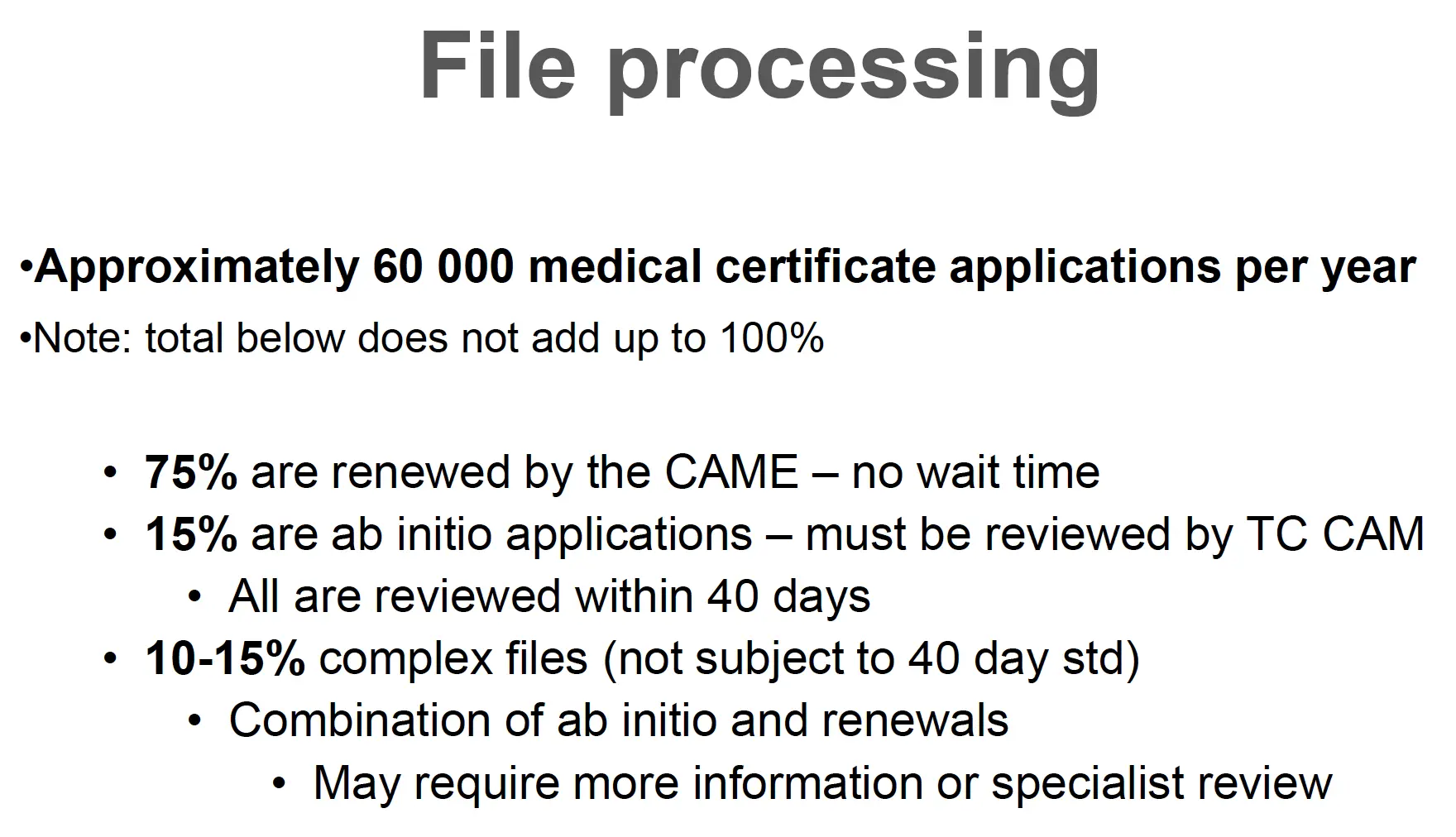
Figure 5: Licensing update, page 15 — civil aviation medical file processing.
What the 2025/2026 Data Means for Students
The licence numbers are encouraging, but they should not be read as a guarantee of employment. More than 2,000 CPLs being issued in one year also means more pilots eventually competing for instructing, charter, medevac, survey and airline positions.
Students can put themselves in a better position by completing ground school early, writing the examination when the knowledge is fresh and avoiding unnecessary gaps in flight training.
They should also make sure that every digital application uses the same legal name and identifying details already held by Transport Canada. A small data mismatch can turn an automatic approval into a manual file.
Finally, the aviation medical should not be treated as paperwork to complete at the end. Obtain it early enough that an unexpected request for records does not stop the rest of the training plan.
What the Data Means for Flight Schools and Instructors
The industry is producing record licence numbers with only 159 FTUs. That places more importance on aircraft utilization, maintenance reliability, scheduling systems and instructor retention.
Schools should also prepare their Authorized Persons and administrative staff for digital permit and licence workflows. The technology will only save time when applications are accurate and staff understand how the new systems work.
Instructor numbers deserve particular attention. Initial ratings remain relatively strong, but the decline from 2024 comes at a time when training demand remains high. Schools that cannot retain experienced instructors may struggle to convert strong enrolment into consistent student progress.
Canadian Pilot Licensing: The Bottom Line
There is a lot to like in the newest numbers. Canada issued approximately 3,400 PPLs, more than 2,000 CPLs and close to 1,000 ATPLs in 2025. The number of FTUs increased modestly, non-Canadian pilots remained an important part of commercial training, and several long-promised digital services are now being used in everyday licensing work.
The mixed indicators should not be ignored. PPL flight tests, instrument flight tests, instructor ratings and written examinations all moved lower in 2025. Those figures may simply reflect a return to normal after a very strong 2024, but they are the numbers to watch when the next update is released.
The larger story: Canadian flight training is operating at record output while its administrative system moves from paper to digital. The next challenge is turning that adoption into faster, more consistent processing — without letting training quality or regulatory oversight fall behind.
For last year’s numbers and how they compare, see our previous Canadian pilot training and licensing statistics analysis.
Start the Knowledge Half of Your Licence Today
Canadian Flight Trainers’ Private and Commercial Pilot Ground School courses are self-paced, taught by working airline pilots and supported by real flight instructors. Students can begin before choosing a flight school, complete the knowledge portion on their own schedule and arrive at aircraft training better prepared. Student enrolments include a seven-day free trial.
Frequently Asked Questions
How many Private Pilot Licences were issued in Canada in 2025?
The Transport Canada chart indicates that approximately 3,400 aeroplane PPLs were issued in 2025, slightly above the already strong 2024 total.
How many Commercial Pilot Licences were issued in Canada in 2025?
Just over 2,000 aeroplane CPLs were issued — the highest level shown in Transport Canada’s 2000–2025 chart.
How many Flight Training Units were operating in Canada in 2025?
Transport Canada recorded 159 FTUs, up from 154 in 2024 but down from 230 in 2001.
Can a Student Pilot Permit be issued digitally in Canada?
Yes. Digital SPP applications launched through the TC AIR app on May 1, 2026. By May 29, 214 applications had already been approved.
When will Canada’s full Digital Personnel Licence be released?
Transport Canada’s stated target is September 2027. A limited trial involving 500 participants remains underway.
Source note: Figures in this article are drawn from Transport Canada’s pilot training and licensing statistics package and licensing program update presented at the ATAC meeting of June 3, 2026. Transport Canada notes that its calculation methodology has changed, that issuance figures reflect documents at time of issue, and that some chart values are unlabelled; figures marked “approximately” are read from the published charts and rounded accordingly.